
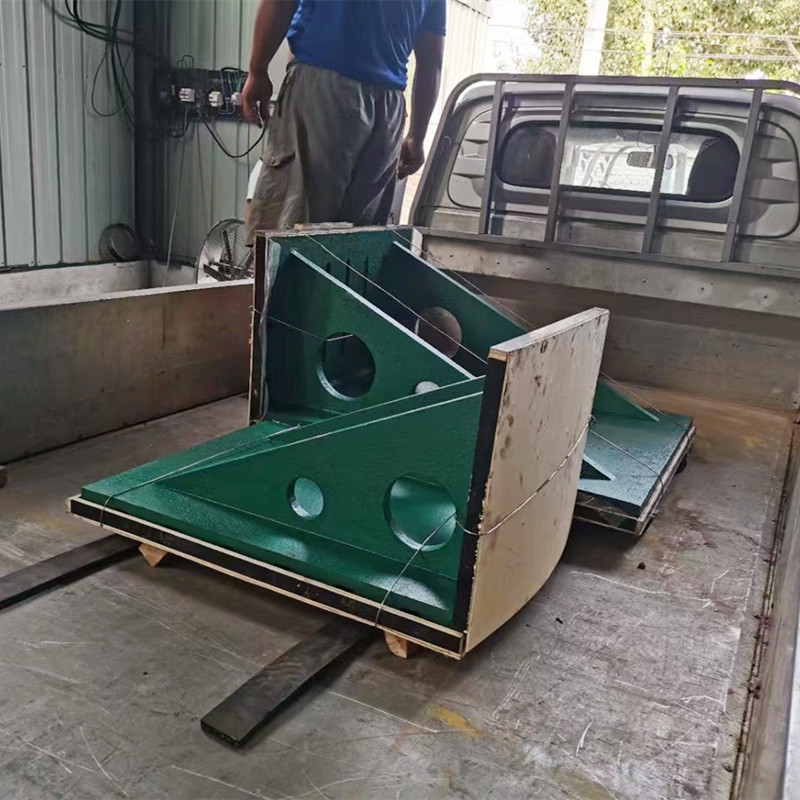
tempered mirror for gym
Understanding Y-Type Water Strainers Water management systems are crucial for maintaining the efficiency and safety of water distribution, treatment facilities, and industrial processes. Among the various components essential for these systems is the Y-type water strainer. This device plays a vital role in protecting pipelines and equipment from debris and particulates that could cause clogging or damage. Understanding the design, function, applications, and benefits of Y-type water strainers can empower engineers and facility managers to make informed decisions regarding their operation and maintenance. What is a Y-Type Water Strainer? A Y-type water strainer is a filter designed to remove unwanted particles from water and other liquids. It is named for its distinctive Y shape, which allows for efficient flow and easy maintenance. The strainer features a mesh screen housed within a body that connects to the pipe system, typically with a threaded or flanged connection. The design facilitates a seamless flow path, minimizing pressure drop while effectively capturing debris. How Do Y-Type Strainers Work? The operation of a Y-type water strainer is straightforward. As water flows through the pipe and into the strainer, the larger particles are captured by the mesh screen, while the cleaner water continues through to the downstream system. The angle of the Y-shaped body promotes optimal flow dynamics, reducing turbulence and enhancing filtration efficiency. Regular maintenance is crucial for the effectiveness of a Y-type strainer. The mesh screen needs to be cleaned or replaced periodically, depending on the amount of debris in the water. Some modern strainers come equipped with a blow-off feature, allowing for easy removal of collected particles without disrupting the entire system. Applications of Y-Type Water Strainers Y-type water strainers are widely used across numerous industries. Some of the most common applications include 1. Water Treatment Plants In these facilities, strainers are essential for protecting pumps, valves, and other equipment from abrasive particles and biofouling agents. 2. Irrigation Systems Agricultural applications benefit from Y-type strainers, as they help maintain the integrity of irrigation systems by preventing clogs and ensuring uniform water distribution. 3. HVAC Systems In heating, ventilation, and air conditioning systems, these strainers protect sensitive components by removing impurities and ensuring efficient operation. y type water strainer 4. Industrial Processes Many manufacturing processes require clean water for operations. Y-type strainers keep the water supply free from contaminants that could disrupt production. 5. Fire Protection Systems In systems designed to combat fires, Y-type strainers ensure the water supply is clean, thus enhancing the effectiveness of firefighting efforts . Benefits of Using Y-Type Water Strainers The advantages of incorporating Y-type water strainers into a water management system are manifold - Protection of Equipment By filtering out harmful debris, these strainers extend the life of pumps, valves, and other critical components. - Reliable Performance Y-type strainers maintain consistent flow rates, promoting efficiency in various applications. - Ease of Maintenance The easy access to the mesh screen allows for straightforward maintenance, reducing downtime and operational disruptions. - Versatility With various sizes and mesh screen options available, Y-type strainers can be tailored to fit specific system requirements. - Cost-Efficiency By preventing damage to expensive equipment and minimizing maintenance needs, Y-type strainers contribute to long-term cost savings. Conclusion In summary, Y-type water strainers are essential components in maintaining the integrity and efficiency of water management systems. Their unique design allows for effective filtration, protecting vital equipment from harmful debris. With widespread applications across multiple industries, understanding and implementing Y-type strainers can lead to improved system performance and reliability. As water systems continue to evolve, investing in quality strainers will be paramount for the sustainability and efficiency of water resources.
about
tempered mirror for gym
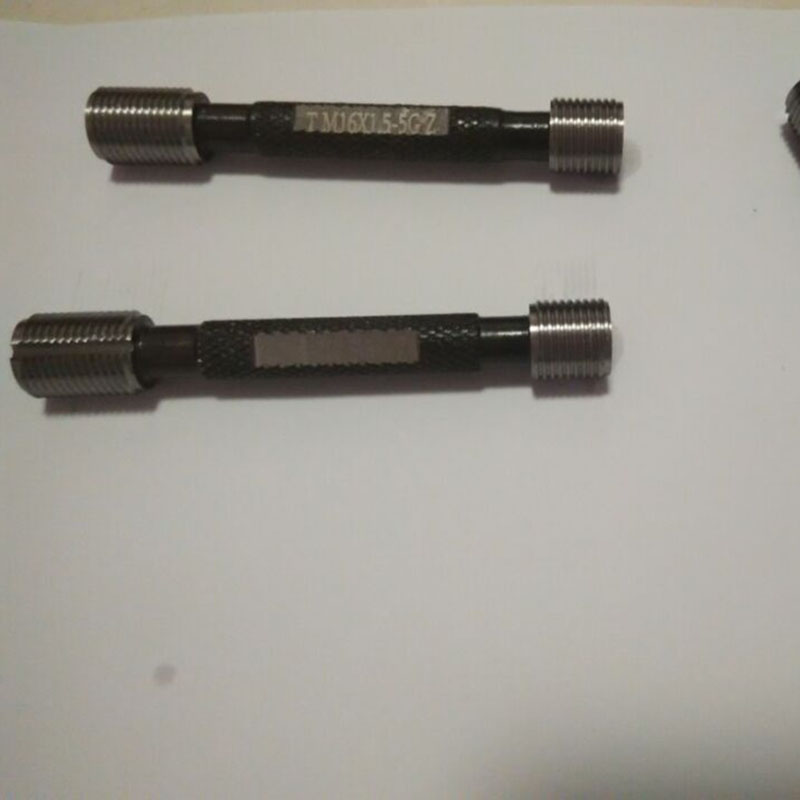
Understanding Thread Gauge Types A Comprehensive Guide Thread gauges are essential tools in the manufacturing and engineering sectors, used primarily to measure the pitch and diameter of threads on bolts, screws, and other fasteners. Understanding the different types of thread gauges is crucial for quality control, ensuring that screws and bolts fit together perfectly, and that machinery operates smoothly. In this article, we will explore the various types of thread gauges, their functions, and their applications. 1. Types of Thread Gauges When discussing thread gauges, we generally categorize them into several main types - Go/No-Go Gauges These are the most common types of thread gauges used in industry. A Go gauge checks if the thread form is acceptable, while a No-Go gauge tests whether it exceeds specified limits. If a bolt passes the Go gauge but fails the No-Go gauge, it meets the necessary standards. - Pitch Gauges These gauges are designed to measure the pitch of the threads. Pitch is the distance between adjacent threads, and it’s crucial for ensuring compatibility between threaded components. Pitch gauges usually consist of a series of teeth or blades, each corresponding to a specific pitch measurement. - Thread Calipers These precision tools measure the diameter of threaded objects. They can be digital or mechanical, allowing for highly accurate measurements across a variety of thread sizes and types. - Plug Gauges Plug gauges are cylindrical tools used to measure internal threads. They come in Go and No-Go types, similar to other gauges, and are essential for checking the thread alignment and dimensional accuracy of holes. - Thread Rings These gauges are specifically used for checking external threads. Made to the same standards as plug gauges, thread rings can verify external thread dimensions, thus ensuring proper fit with nuts and other threaded pieces. 2. Material Considerations Thread gauges can be made from various materials, including steel, carbide, and stainless steel. The choice of material often depends on the application and the level of precision required. For instance, carbide gauges, while more expensive, offer higher durability and reduced wear, making them suitable for high-volume production environments. thread gauge types 3. Importance of Thread Gauges Thread gauges play a pivotal role in ensuring the quality and compatibility of threaded components. In many industries such as aerospace, automotive, and construction, the precision of threaded elements is critical. Misaligned or poorly fitting threads can lead to catastrophic failures, equipment malfunctions, and increased costs due to repairs and downtime. Moreover, using thread gauges at different stages of the manufacturing process ensures that components meet industry standards. Regular calibration and maintenance of gauging tools are equally important to maintain measurement accuracy. 4. Best Practices for Use To effectively utilize thread gauges, follow these best practices - Regular Calibration Ensure that gauges are calibrated regularly to maintain accuracy. Even minor deviations can have significant implications in precision engineering. - Use Proper Techniques Familiarize yourself with the correct techniques for measuring threads, including how to hold the gauge securely and apply appropriate pressure during measurement. - Documentation Maintain detailed records of measurements and any issues encountered during the gauging process. This helps in identifying trends and potential areas of improvement in the manufacturing process. - Training Proper training for personnel who handle thread gauges is critical. Understanding how to read gauge measurements and interpret results correctly is vital for maintaining quality standards. Conclusion Thread gauges are indispensable tools in various industries, ensuring that threaded components meet strict engineering requirements. By understanding the different types of gauges, how to use them effectively, and recognizing their importance in quality control, manufacturers can significantly enhance their productivity and ensure the safety and functionality of their products. Whether it's a simple bolt or a complex machine part, the accuracy provided by thread gauges plays a vital role in maintaining high manufacturing standards.
-

High quality industrial productsagement

High quality industrial products
View Details -

Meet the diverse needs of customers

Meet the diverse needs of customers
View Details -

Strict quality control

Strict quality control
View Details -

Top raw materials

Top raw materials
View Details -

Trusted supplier

Trusted supplier
View Details
Our application


news and information
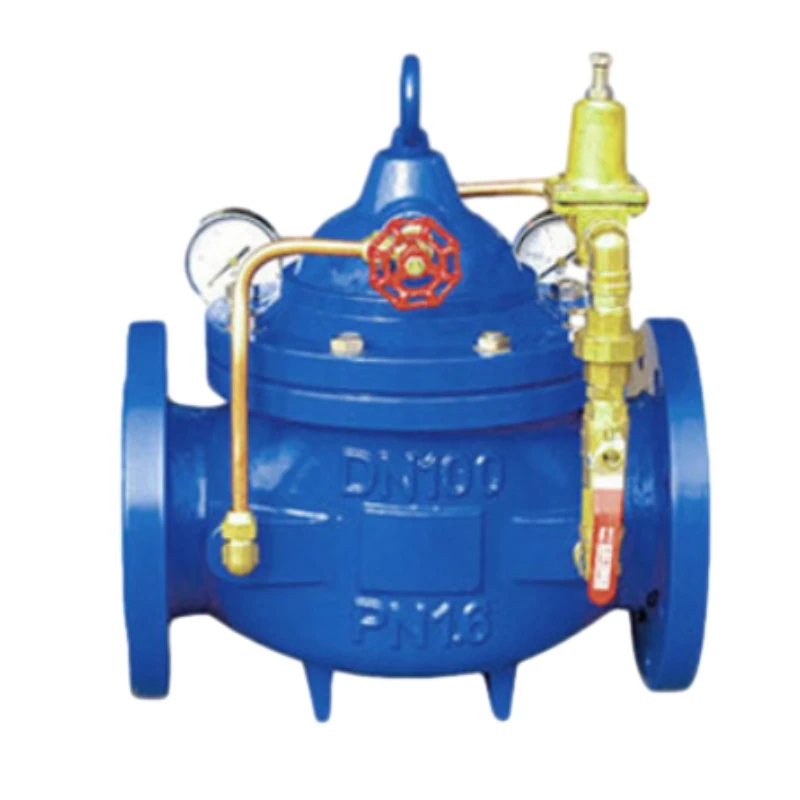
Válvula de cierre 3 4
Válvulas de Globo Características y Aplicaciones Las válvulas de globo son un tipo esencial de válvu
Valvola di ritegno libera
Valvole di Chiusura Un Elemento Fondamentale nelle Infrastrutture Industriali Le valvole di chiusura
Valve Manufacturing Process and Innovative Techniques for Enhanced Performance
The Evolution and Importance of Valve Factories in Modern Industry Valve factories play a crucial ro
 English